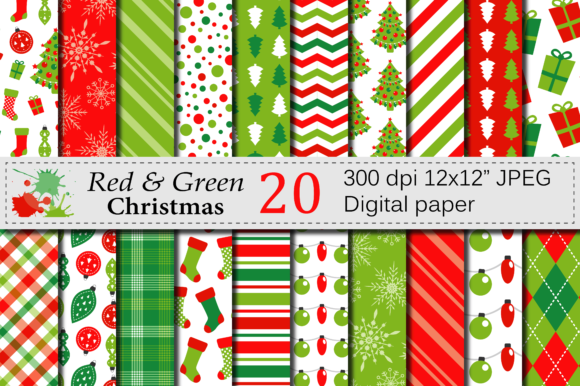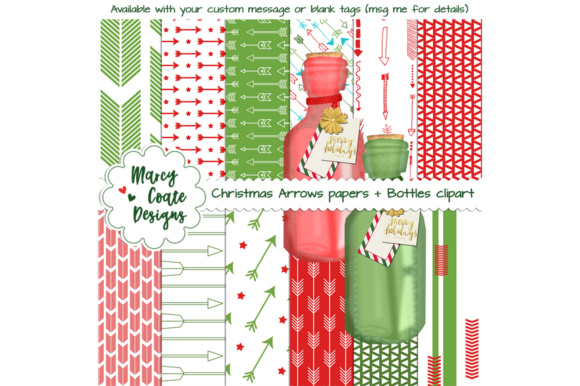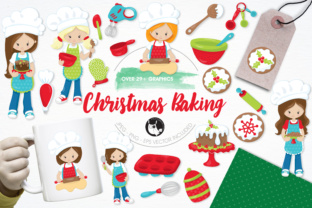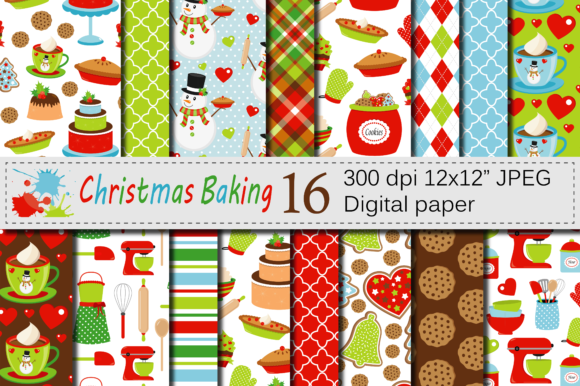
Christmas Baking Digital Paper Pack
A Designer’s First Look: Whimsy, Warmth, and Real-World Stitchability
Unzipping Christmas Baking Digital Paper Pack feels like opening a vintage recipe tin—cinnamon-scented paper, flour-dusted edges, and that quiet hum of holiday anticipation. As a designer who’s stitched hundreds of seasonal patterns for Etsy sellers, boutique aprons, and custom baby onesies, my first impression isn’t about “cuteness.” It’s about clarity: how cleanly will those gingerbread swirls translate in satin stitch? Will the tiny whisk handle vanish in fill stitch on a textured tea towel? Does the overall layout breathe—or crowd—when scaled to a 4-inch hoop on a curved sweatshirt yoke?
This pack leans into joyful restraint. No overwrought glitter effects or hyper-realistic icing drips. Instead: clean outlines, balanced negative space, and motifs sized thoughtfully for real embroidery—not just screen display. Think rolled-out dough, a simple bundt pan, a stack of sugar cookies with subtle scalloped edges—not a chaotic bakery counter. That intentionality makes Christmas Baking Digital Paper Pack feel less like a decorative flourish and more like a reliable design asset for craft businesses building cohesive holiday collections.
Where It Shines (and Where It Needs a Pause)
I tested it across three real projects: a linen kitchen towel for a local café’s holiday gift set, a cotton-blend baby romper for a personalized newborn gift, and a denim tote bag for a small-batch Etsy shop. Here’s what held up—and where I adjusted.
- Tote bags & tea towels: Ideal. The moderate stitch density lets fabric texture show through without muddying details. The cookie stack motif reads clearly at 3.5 inches wide—even on slightly nubby linen. No stabilizer overkill needed; medium-weight tear-away worked perfectly.
- Baby items & lightweight apparel: Use caution with the smallest elements—the tiny rolling pin icon or script “bake joy” lettering. On 100% cotton interlock, those fine lines softened unless I reduced stitch count manually or added light cutaway stabilizer. Not a flaw—just a reminder that delicate fabrics demand deliberate scaling.
- Sweatshirts & curved surfaces: The single-layer motifs (like the standalone cinnamon roll) hooped beautifully on a baseball cap visor mockup. But the full “baking scene” layout—with overlapping elements—required repositioning and simplifying for a 3-inch round hoop. For caps or sleeves, treat it as modular components, not one fixed scene.
Fabric & Finish: What Customers Actually See
Your customer doesn’t see your PES file—they see how the finished product feels in their hands and photographs on Instagram. With Christmas Baking Digital Paper Pack, the visual personality stays consistent across applications: warm, handmade, unhurried. That matters when you’re pricing a $48 embroidered pillow cover or listing a $32 personalized apron on Etsy. Buyers sense authenticity when stitch lines are confident, spacing is even, and motifs don’t look digitally “glued on.”
On dark fabric? The design’s generous outlines and mid-weight satin borders hold contrast well—but test thread colors. A creamy ecru works better than stark white on navy terry cloth. On stretchy knits? Skip dense fill areas (like the center of the bundt pan) unless you’re using cutaway + topping stabilizer. And always check how the design behaves after washing: tight satin stitches on thin cotton can pucker if stitch density isn’t balanced for durability.
Practical Notes Every Embroiderer Should Run Through
Before stitching your first client order or uploading to your digital shop, run these checks—not as busywork, but as brand protection:
- Test on scrap fabric that matches your final product’s weight, weave, and stretch. Linen ≠ quilting cotton ≠ fleece.
- Review stitch density in your software. If fill areas look solid black on screen, they’ll likely sink into terry cloth or trap lint on towels.
- Confirm hoop size compatibility—especially if selling digital files. A 5x7 design won’t magically fit a 4x4 hoop without editing.
- Inspect small details at 200% zoom: Are whisk tines distinct? Does the “bake” script stay legible at 1.25 inches tall?
- Mock it in black and white—many buyers browse in grayscale thumbnails. Does the design retain shape and charm without color cues?
- Compare light vs. dark backgrounds using printable mockups. Some motifs gain warmth on cream; others pop sharper on charcoal.
- Use appropriate stabilizer—lightweight cutaway for knits, tear-away for stable wovens, topping for nubby textures.
- Verify licensing before selling finished items or reselling the embroidery file itself. Patterns like this often allow commercial use of stitched products—but never assume. Check the seller’s terms.
Why This Fits Small Creative Businesses So Well
Christmas Baking Digital Paper Pack doesn’t try to be everything. It’s not a mega-bundle of 500 designs. It’s a focused, mood-aligned set—perfect for shops curating a holiday collection around baking, gifting, or cozy domesticity. An Etsy seller can pair it with matching printable labels and fabric bundles. A café can use it across staff aprons, takeout bags, and seasonal menu boards. A baby boutique can layer it softly on organic cotton blankets and milestone cards.
That cohesion builds trust. When customers recognize your signature style across products—from a hand-stitched patch to a digitally printed tea towel—they’re not buying a motif. They’re buying your point of view. And this pack supports that. Its simplicity leaves room for your voice: your thread palette, your fabric choices, your finishing touches.
Final Thought: Design That Serves the Maker
Some embroidery files dazzle in preview mode then falter under needle and thread. Christmas Baking Digital Paper Pack isn’t flashy—but it’s dependable. It respects fabric. It honors stitch mechanics. And it gives makers room to interpret, not just replicate. Whether you’re stitching a last-minute holiday gift or building a scalable product line, this pack earns its place in your working library—not as decoration, but as a thoughtful, functional tool.