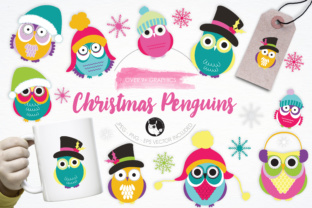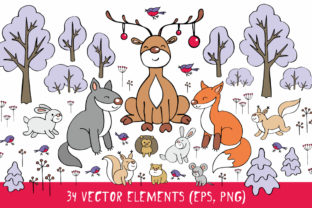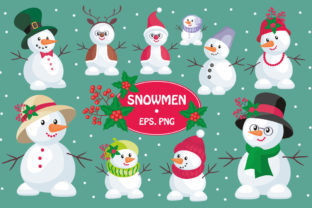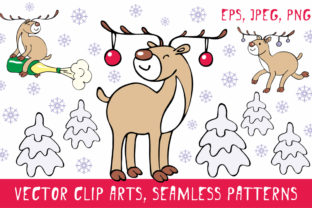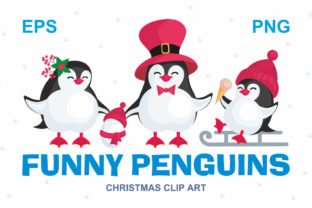
Funny Penguins Christmas Clip Art Illustrations
First Impression: Playful, Warm, and Unapologetically Festive
As a brand designer who’s developed identities for over 30 local businesses—from artisanal candle studios in Portland to family-run bakeries in Asheville—I opened Funny Penguins Christmas Clip Art expecting seasonal charm. What I found was something more intentional: a cohesive set of illustrations that balances whimsy with clarity. The penguins wear tiny knitted scarves, hold miniature candy canes, or peek out from behind holly sprigs—never chaotic, always expressive. This isn’t generic clipart; it’s a graphic design asset built for emotional resonance. It reads as friendly, handmade, and warmly inclusive—not overly cutesy, not sarcastic, and definitely not corporate. For a local business, that tone is gold: think small-batch hot chocolate mix labels, hand-poured soy candle packaging, or holiday-themed bakery boxes with kraft paper wraps and twine.
Where It Fits Naturally in Real Small Business Branding
Funny Penguins Christmas Clip Art shines brightest where personality meets practicality. In my recent work for “Frost & Fern,” a seasonal skincare brand selling limited-edition peppermint-sage body scrubs, we used three penguin motifs as decorative anchors across their packaging design: one on the front label (scaled large and centered), another as a subtle repeat pattern along the inner flap of their mailer box, and a third flipped and resized as a playful icon beside “Holiday Shipping Cutoff” on their website banner. That versatility is rare. It supports logo design as a secondary mark, enhances product labels without overwhelming ingredient lists, and elevates thank-you cards or hang tags with instant warmth. For boutique owners and handmade sellers, it adds consistent visual hierarchy to price lists, menu graphics, and social media graphics—especially Instagram carousels promoting “12 Days of Local Holiday Gifts.”
Real-World Packaging & Promotional Use Cases
- Product labels: Works beautifully on matte-finish sticker labels for honey jars, soap bars, or hot sauce bottles—especially when paired with a clean sans serif font for brand name and a script font for flavor names.
- Packaging accents: Adds shelf appeal to kraft boxes, cotton drawstring bags, or ceramic mug sleeves without competing with essential branding elements.
- Seasonal campaign visuals: Scales effectively for printable designs like in-store posters, digital ads, and Canva templates for email headers—no pixelation, even at 2400px width.
- Social media graphics: PNG files with transparent backgrounds drop cleanly into Reels thumbnails, Story stickers, and Facebook event banners—making holiday promotions feel cohesive, not pieced together.
- Product mockups: Renders crisply on mockups for tote bags, ceramic mugs, and gift tags, helping local businesses preview how their branded goods will land before ordering inventory.
What It Builds—Beyond Decoration
This isn’t just festive filler. Used thoughtfully, Funny Penguins Christmas Clip Art strengthens small business branding by reinforcing consistency across touchpoints—whether it’s the same penguin motif appearing on a coffee shop’s holiday cup sleeve, their Instagram bio highlight, and their “Thank You for Supporting Local” sticker. That repetition builds product recognition faster than text alone. It also improves customer trust: polished, intentional illustration signals care and professionalism—even for a handmade business operating out of a garage studio. And because the mood is joyful but grounded, it creates a stronger emotional connection than generic snowflakes or glitter fonts ever could. For food businesses especially, it softens regulatory-heavy layouts (like nutrition panels) by adding humanity without sacrificing clarity.
Where to Use It Carefully—And Why
Not every context benefits equally. Avoid using Funny Penguins Christmas Clip Art in formal corporate branding (e.g., law firms or financial advisors launching holiday mailers), on very small labels where fine details vanish (under 0.75” height), or in ingredient-dense layouts where visual noise undermines readability. It shouldn’t sit directly over legal disclaimers or low-contrast backgrounds—test all PNGs against your actual label substrate. Luxury minimalist brands may find it too narrative-driven; similarly, if your brand voice leans heavily into rustic earth tones or monochrome elegance, these penguins might clash rather than complement. They’re decorative brand elements—not structural ones—so never let them compete with your business name, core value proposition, or call-to-action.
Practical Brand Designer Notes Before You Launch
Before committing to Funny Penguins Christmas Clip Art in client work or your own local business rollout, do these checks: preview it on real packaging mockups (not just screen views); test black-and-white output for print clarity; scale it down to 0.5” to confirm legibility on small product labels; layer it over your brand’s primary and secondary colors to verify contrast and harmony; compare it side-by-side with top competitor packaging in your category; inspect SVG files for clean vector paths (critical for die-cut stickers or foil stamping); and confirm the commercial license explicitly permits physical product sales, digital distribution, and client-facing branding use. Also, test it beside common font pairings—serif for elegance, sans serif for modernity, script for warmth, handwritten for authenticity, and display fonts for hero impact. A single penguin looks radically different next to Playfair Display versus Pacifico—and that difference matters in editorial design, web design, and marketing visuals alike.
A Final Thought for Creative Entrepreneurs
For local business owners juggling baking, bookkeeping, and branding—Funny Penguins Christmas Clip Art isn’t just another digital product. It’s a shortcut to professional branding that feels human, memorable, and locally rooted. When your candle brand shares the same illustrated joy across its jar label, Instagram Story, and holiday pop-up banner, customers don’t just see a product—they recognize a personality. That’s the quiet power of well-chosen illustration. Used with intention, this set doesn’t distract from your story—it helps tell it better.