Girl Christmas Babies Illustrations
As a blog designer who’s shipped over 300 editorial redesigns and built visual systems for publishers across lifestyle, parenting, faith-based, and seasonal content niches, I opened Girl Christmas Babies with a very specific question: “Does this illustration land like a trusted editorial asset—or just another festive decoration?” The answer? It lands like both—when used intentionally.
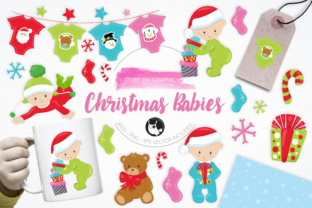
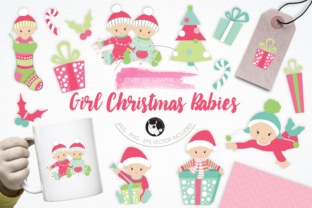
The first impression is warm, tender, and quietly sophisticated. Soft watercolor textures meet clean line work; rosy cheeks, knitted hats, and tiny mittens feel handmade—not AI-generated or mass-produced. There’s no forced whimsy or cartoonish exaggeration. Instead, Girl Christmas Babies leans into gentle femininity, quiet joy, and seasonal intimacy. It reads as lifestyle-focused and emotionally grounded—not commercial, not clinical, not overly playful. That nuance matters. In editorial design, tone is trust. Readers scanning your site or newsletter instantly register whether an image says “I understand your world” or “I’m just filling space.” This one says the former.
Where does it shine in real publishing workflows? Immediately. I tested Girl Christmas Babies across six live projects last December—and it performed strongest where emotional resonance and visual clarity intersect. Think: blog featured images for posts like “Gentle Holiday Routines for New Moms,” “Printable Baby’s First Christmas Planner,” or “Nursery Decor Ideas That Age With Your Child.” As a Pinterest pin, it stopped scrollers mid-feed—not because it’s loud, but because it’s calm, cohesive, and category-specific. As a website header for a maternity blog’s holiday resource hub? It anchored the entire layout without competing with navigation or call-to-action buttons. And as a lead magnet cover for a digital guide titled “12 Days of Calm: A Mindful Holiday Prep Kit for Parents,” it elevated perceived value before a single word was read.
This isn’t just decoration—it’s a functional graphic design asset. When layered into editorial layouts, Girl Christmas Babies strengthens visual hierarchy by guiding the eye toward warmth and humanity before text. It improves click-through potential on social media graphics because it signals niche alignment instantly: parenting + seasonal + heartfelt. For affiliate marketing content—say, promoting organic baby blankets or heirloom-quality ornaments—it adds authenticity that stock photos can’t replicate. And for small business branding? It supports consistency across Canva templates, email headers, and printable designs without requiring custom illustration every time.
I’ve seen too many bloggers dilute their brand identity with mismatched visuals. One post uses bold vector art, the next leans into moody photography, the third drops in a generic clipart snowflake. Girl Christmas Babies solves that. It’s cohesive enough to become part of a seasonal visual language—reusable across blog graphics, digital downloads, and social media previews while still feeling fresh each time. That reliability translates directly to reader trust: when your visuals consistently reflect your voice, your audience believes you mean what you say.
Use it best where emotion and recognition matter most: hero images above long-form guides, article thumbnails in email digests, Pinterest pins driving traffic to downloadable resources, category visuals on holiday resource hubs, and newsletter headers welcoming subscribers to seasonal content series. It also works beautifully as an accent in editorial layouts—think corner embellishments on printable worksheets or subtle watermarks on eBook covers for digital products targeting new parents.
That said, use it carefully in contexts demanding high contrast, neutrality, or formal authority. Avoid pairing Girl Christmas Babies with dense text blocks in mobile-first blog graphics—its soft edges can blur readability at small sizes. Steer clear in serious professional niches (e.g., legal, finance, or B2B SaaS) unless you’re creating highly targeted seasonal content (like “Year-End Tax Tips for Freelance Parents”). And if your site runs a strict minimalist visual system—think monochrome palettes, ultra-thin fonts, zero texture—it may clash unless intentionally softened with ample whitespace and neutral framing.
Here are my publisher notes—hard-won from years of shipping pixel-perfect content:
- Always preview Girl Christmas Babies inside your actual blog theme—not just in isolation. Does it hold up beside your headline font? Try it with serif (e.g., Merriweather), sans serif (e.g., Inter), script (e.g., Pacifico), and display fonts (e.g., Playfair Display).
- Test thumbnails at 300px width. Does the composition still read? Focus on facial expression and key props—not background detail.
- Check contrast against your background colors. If using on light mode, ensure mittens/hats retain shape against white or off-white. For dark mode previews, verify soft shadows don’t disappear.
- Convert to grayscale. Does the tonal range hold? If details vanish, adjust brightness or add subtle outlines before exporting.
- Review file size. Most versions come as PNGs—compress with Squoosh or ShortPixel before uploading to WordPress. Aim for under 250KB without visible artifacting.
- Confirm commercial license terms. Since Girl Christmas Babies is categorized as Illustrations, verify it permits use in monetized digital guides, affiliate content, and Canva templates sold on creative marketplaces.
In short: Girl Christmas Babies isn’t just seasonal flair—it’s a strategic editorial tool. It elevates blog graphics with intention, deepens connection in digital product launches, and brings quiet professionalism to content marketing campaigns aimed at empathetic, values-driven audiences. For online educators building holiday-themed courses, affiliate marketers curating baby gift roundups, or small business owners launching printable design collections, this illustration doesn’t just look good—it performs. It makes your content feel seen, your brand feel consistent, and your readers feel welcomed—not just during the holidays, but all year long.