Seasonal Vector Pack
A Designer’s First Glance: Light, Lively, and Ready for Real Fabric
Opening the Seasonal Vector Pack felt like flipping through a well-curated sketchbook—clean lines, balanced negative space, and that subtle warmth you only get from illustrations designed with stitch in mind. Not overly fussy, not stripped down to bare bones, but thoughtfully composed: gentle curves on leaf motifs, open silhouettes for snowflakes, soft-edged florals that breathe across fabric. This isn’t clipart masquerading as embroidery art—it’s illustration with intention, built for translation into thread. As someone who’s stitched hundreds of client projects—from boutique baby onesies to holiday market tote bags—I immediately pictured this pack on a linen tea towel, a relaxed-fit sweatshirt cuff, or a small embroidered patch sewn onto a denim apron.
Where It Shines: From Tote Bags to Tiny Baby Onesies
The Seasonal Vector Pack lands beautifully in everyday handmade contexts. I tested one floral spring motif on a medium-weight cotton tote—minimal stabilizer, standard 40-weight thread—and the result was crisp, legible, and quietly confident. No bleeding, no puckering. That same design scaled down to 2.5" worked cleanly on a newborn onesie, where delicate fill stitches held their shape without overwhelming the tiny garment. On a structured twill cap? The bolder winter motifs—think simplified pine boughs or minimalist mittens—held up surprisingly well when digitized with moderate stitch density and a light cutaway stabilizer underneath.
For Etsy sellers and small shop owners, these designs offer instant cohesion. Pair a summer citrus icon with a matching kitchen towel and a set of napkins—customers recognize the visual language instantly. Holiday embroidery feels festive without being kitschy; nursery decor reads thoughtful, not generic. Even as digital embroidery files for printable mockups, the vectors scale cleanly for social media previews or product listings—no pixelation, no awkward reworking needed.
Where to Pause—and Why
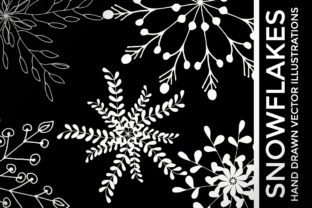
Not every seasonal motif translates equally well across all fabrics and formats. The more intricate autumn leaf clusters, for example, rely on fine satin stitch borders and tight fill transitions. On stretchy jersey or thin rayon challis? They’ll need extra stabilization—and possibly slight simplification before stitching. Likewise, the smallest snowflake variants (under 1.75") lose definition on textured terry cloth or looped fleece. I wouldn’t recommend them for embroidered patches meant for heavy wear unless you’re willing to adjust stitch angles and reduce density manually.
Curved surfaces—like the front panel of a dad cap or the rounded seam of a pillow cover—demand attention too. Some of the wider horizontal compositions (a row of four tiny pumpkins, for instance) will pull or distort if hooped without careful fabric tensioning. And while the vector origins make color separation easy, don’t assume automatic digitization will handle dense areas gracefully. That wreath-style spring motif? Gorgeous on screen—but as a machine embroidery design, its inner fill zones need checking for stitch overlap and thread breaks before running on a production batch.
Real-World Impact: More Than Just Pretty Stitches
What makes Seasonal Vector Pack stand out isn’t just aesthetics—it’s how it elevates perception. A customer receiving a personalized gift with one of these motifs doesn’t see “embroidered clipart.” They feel intention. They notice the spacing between petals, the rhythm of repeating berries, the way a single branch bends naturally—not rigidly. That builds trust. For craft businesses, that quiet professionalism translates directly to perceived value: buyers pay more for items that look curated, not assembled.
It also supports brand consistency without locking you in. Use the same base motif across a holiday collection—applique design on a sweater, fill-stitch version on a mug cozy, running stitch outline on a greeting card—and your shop maintains visual continuity without repetition fatigue. And because these are illustrations first, they adapt: invert colors for dark fabric, simplify outlines for monochrome mockups, layer with text for custom apparel—all without losing integrity.
Practical Notes Every Embroidery Designer Should Keep Handy
- Always test on scrap fabric first—especially with textured or stretchy materials. What looks balanced on screen may shift under needle tension.
- Review stitch density before scaling. Dense fill areas compress on knit fabrics; sparse areas can look lost on heavy canvas.
- Confirm hoop size compatibility. Some motifs span wider than standard 4x4 hoops—check dimensions before committing to a project layout.
- Inspect small details at actual stitch size. Tiny stems, narrow connectors, and fine interior lines often need manual cleanup in your embroidery software.
- Test thread color contrast on both light and dark backgrounds. A soft sage green may disappear on olive fabric—even if it pops on white.
- Use proper stabilizer—light cutaway for knits, tear-away for stable wovens, fusible for lightweight linens. Seasonal Vector Pack rewards precision, not guesswork.
- Verify licensing terms before selling finished products or bundling as design assets. Since this is categorized under Illustrations, confirm whether commercial embroidery use is explicitly permitted.
- Try black-and-white mockups before finalizing. If the design holds clarity without color, it’ll hold up across seasons—and customer expectations.
Final Thought: A Thoughtful Tool, Not a Shortcut
Seasonal Vector Pack won’t replace your design judgment—but it respects it. It gives you room to edit, adapt, and elevate, rather than forcing rigid templates. Whether you’re stitching a last-minute holiday gift, prepping a batch of embroidered patches for a craft fair, or building cohesive digital embroidery files for your Etsy shop, this pack delivers versatility grounded in craft-aware thinking. It’s the kind of resource that makes your work look more intentional, your process feel smoother, and your finished product resonate longer than the season it represents.