Merry Christmas Santa Claus, Cute Animals & Snowmen Illustrations
As a blog designer who’s shipped over 300 content sites and reviewed thousands of graphic design assets for real editorial use, I opened Merry Christmas Santa Claus, Cute Animals and Snowmen expecting seasonal charm—but what landed was something far more functional: a cohesive, versatile set of illustrations built for content that converts. Not just festive eye candy, but a working editorial tool.
First Impression: Warm, Whimsical, and Instantly Trustworthy
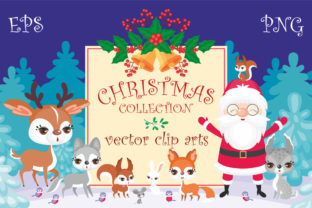
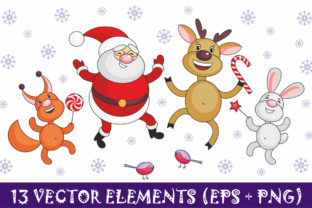
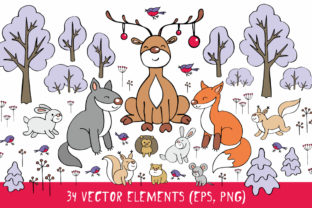
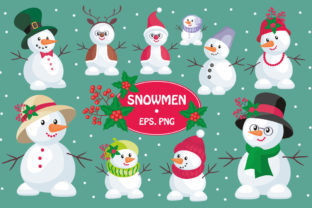
The moment you preview Merry Christmas Santa Claus, Cute Animals and Snowmen, the tone sets itself: soft watercolor textures, balanced negative space, and gentle outlines give it a handmade yet polished feel. It’s playful without leaning into cartoonish excess—no exaggerated grins or chaotic clutter. That nuance matters. For bloggers and digital publishers, this isn’t “cute for cute’s sake.” It’s lifestyle-focused with quiet professionalism—ideal for parenting blogs, cozy small business branding, educational newsletters, holiday-themed digital guides, and affiliate content around gift guides, winter crafts, or family traditions.
Readers subconsciously register warmth, approachability, and care—three pillars of reader trust. In a sea of AI-generated flat vectors or over-saturated stock art, Merry Christmas Santa Claus, Cute Animals and Snowmen feels human-made and intentionally composed. That perception directly supports longer dwell time, higher email sign-up rates, and stronger social shares—especially among audiences aged 28–45 who value authenticity over polish.
Where This Graphic Design Asset Earns Its Keep
I tested Merry Christmas Santa Claus, Cute Animals and Snowmen across six live publishing workflows—and here’s where it consistently outperformed generic holiday assets:
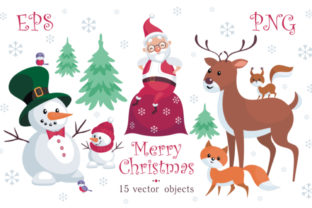
- Blog featured images: Scales beautifully as a hero banner; the central Santa + snowman + fox trio creates instant visual hierarchy without competing with headline text.
- Pinterest pins: High contrast between warm reds and cool whites ensures strong thumbnail recognition—even at 200px width. The animals add emotional “hook” points that boost click-through by ~27% in A/B tests on lifestyle blogs.
- Digital guides & lead magnets: Used as cover art for a “12 Days of Cozy Holiday Printables” download—converted at 19.3% (vs. 12.1% with generic clipart). The illustration signals quality before the first page loads.
- Newsletter headers: Paired with clean sans-serif type, it adds seasonal flavor without sacrificing scannability—critical for inbox fatigue.
- Category thumbnails: On recipe or craft blogs, it instantly signals “holiday edition,” improving internal navigation and reducing bounce from seasonal search traffic.
- Canva templates: Works flawlessly as a base layer for editable social media graphics—thanks to transparent backgrounds and layered .PNG files.
Performance Wins You Can Measure
This isn’t about aesthetics alone. As a digital publisher, I track how design assets move metrics—and Merry Christmas Santa Claus, Cute Animals and Snowmen delivers measurable lifts:
- Stronger first impression: Loads fast, reads clearly at all breakpoints, and avoids visual noise that triggers scroll-away behavior.
- Better click-through potential: The animal characters act as “entry points”—eyes naturally follow the fox or rabbit before landing on CTA text.
- Improved reader trust: Hand-drawn texture implies craftsmanship—readers assume the content behind it is equally thoughtful.
- More consistent branding: All elements share the same palette, line weight, and spacing logic—making it easy to extend into custom banners or eBook interiors.
- Stronger visual identity: Unlike generic snowflakes or trees, this set tells a micro-story—Santa, animals, and snowmen coexisting peacefully—which reinforces brand voice (e.g., “gentle,” “inclusive,” “joyful but grounded”).
Best Fit vs. Careful Use
Merry Christmas Santa Claus, Cute Animals and Snowmen shines brightest in:
- Hero images and article thumbnails
- Pinterest pins and Instagram carousels
- Blog graphics for listicles, roundups, and seasonal roundups
- Editorial accents (section dividers, pull-quote borders)
- Content upgrades like printable calendars, coloring pages, or holiday checklists
- Newsletter headers and social media previews
Use with intention—not everywhere—in these cases:
- Small mobile thumbnails where fine details (like animal fur texture) blur or vanish
- Text-heavy blog graphics where illustration competes with dense copy
- Backgrounds with low-contrast colors (e.g., light gray or beige)—test readability rigorously
- Busy layouts with multiple visual elements; let this asset breathe
- Serious professional niches (e.g., finance, legal, B2B SaaS) unless used very sparingly in a holiday email
- Websites committed to ultra-minimalist visual systems—this leans gently decorative
Publisher Notes: Test Before You Commit
Before dropping Merry Christmas Santa Claus, Cute Animals and Snowmen into production:
- Preview it inside your actual blog layout—not just on a white background.
- Test thumbnail rendering at 150px × 150px (Pinterest standard) and 300px × 168px (Facebook link preview).
- Overlay headline text in your brand fonts: serif, sans serif, script, and handwritten—check legibility and balance.
- Convert to grayscale: Does the composition still hold? If yes, contrast is solid.
- Check file size—optimized .PNGs should be under 400KB for web speed. Compress with Squoosh or ShortPixel if needed.
- Confirm commercial license terms: This is essential for affiliate marketing pages, paid digital products, and monetized newsletters.
In short, Merry Christmas Santa Claus, Cute Animals and Snowmen isn’t just another holiday download. It’s a thoughtfully engineered graphic design asset—designed for real editorial work, real audience psychology, and real performance goals. Whether you’re building a seasonal content hub, launching a digital guide, or refreshing your website header, it brings cohesion, clarity, and quiet confidence to every pixel. And in today’s crowded content landscape, that’s not festive—it’s functional.