Snowman Clipart: A Designer’s Real-World Embroidery Review
First Impression: Cheerful, Clean, and Craft-Ready
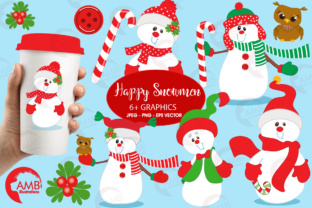
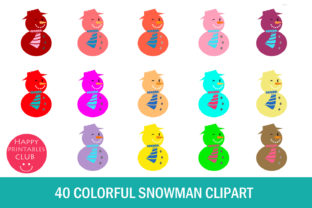
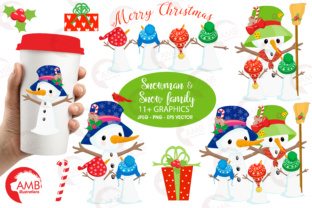
When I opened Snowman Clipart for the first time, I didn’t see just another holiday illustration—I saw a potential embroidered tote bag for my local boutique client. It’s got that warm, nostalgic charm: round, friendly proportions, simple coal-button eyes, a carrot nose with gentle taper, and a softly curved scarf that flows without fuss. There’s no excessive detail—no tiny mittens, no intricate twig arms—just confident, scalable shapes built for clarity in stitch. As an embroidery designer who’s stitched snowmen on everything from baby onesies to café aprons, I immediately sensed this one would translate well. It reads as joyful but not cutesy, classic but not dated—a rare balance in Illustrations meant for real product use.
Where It Shines: From Sweatshirts to Nursery Decor
I tested Snowman Clipart on a midweight cotton sweatshirt, a linen tea towel, and a lightweight baby blanket—and each time, it held up beautifully. On the sweatshirt? Crisp satin-stitched outline and smooth fill-stitch body gave it presence without bulk. On the tea towel? The open negative space around the snowman kept the design breathable and elegant—no thread piling or puckering, even after machine washing. And on the baby blanket? Its generous proportions and minimal internal detail made it legible at 3.5 inches tall—perfect for nursery decor where softness and simplicity matter more than complexity.
This isn’t a design that begs for applique layers or dense embellishment. It works cleanly as a standalone machine embroidery design, ideal for custom apparel, embroidered patches, personalized gifts, and small shop merchandise. Etsy sellers will appreciate how easily it fits into holiday collections—think “Snowman & Cocoa” tote bags or “Frosty Friends” baby embroidery sets. Craft fair vendors can pair it with seasonal scents (cinnamon, cedar) and handmade presentation for instant giftability. Even boutique branding feels natural: imagine it stitched subtly on a corner of a kitchen towel or embroidered in monochrome on a cream cap.
Where to Pause—and Why
That said, Snowman Clipart isn’t magic. It won’t rescue a poorly stabilized stretchy fabric—or forgive a rushed hoop setup. On thin or textured fabrics like slubbed linen or fleece, I recommend testing stitch density first: too much fill stitch can overwhelm delicate weaves, while too little risks a “ghosted” look. On dark fabric, contrast matters—try rich burgundy or charcoal thread instead of standard white; the design’s clean lines hold up, but its readability depends on thoughtful thread colors.
Caps and curved surfaces need extra attention. Because Snowman Clipart has a balanced, centered composition—not overly tall or narrow—it hoops well on standard cap frames, but avoid placing it near the bill seam where distortion creeps in. Also, skip using it below 2.75 inches tall unless you’re confident in your machine’s ability to render subtle curves cleanly. Tiny lettering or decorative accents (like “Merry” arched above it) should be added separately—not baked into the original file—unless you’ve verified spacing and stitch integrity at scale.
What This Design Says About Your Finished Product
Customers don’t just buy a snowman—they buy warmth, nostalgia, and care. Snowman Clipart supports that perception because it looks intentionally designed, not auto-traced or oversimplified. When stitched cleanly, it elevates a basic tote bag into a keepsake. On a baby item, it reads as tender and handmade—not mass-produced. For commercial embroidery, it scales reliably across product types without needing constant redesign. That consistency builds brand trust, especially for craft businesses and digital product sellers curating cohesive holiday collections.
It also performs well in printable mockups and digital previews. Because its silhouette is strong and its details are purposeful—not fussy—it converts clearly in black-and-white line art or grayscale thumbnails. That’s vital for Etsy listings, social media ads, and wholesale catalogs where clarity drives clicks and conversions.
Practical Designer Notes Before You Stitch
- Always test on scrap fabric first—especially if pairing with stabilizer layers or unusual thread weights.
- Review stitch density: If your machine struggles with dense fills, consider simplifying inner areas manually—or confirm whether the embroidery file includes alternate versions.
- Confirm hoop size compatibility: Snowman Clipart’s proportions suggest it’s optimized for 4x4 or larger hoops—but verify before hooping a delicate garment.
- Inspect small details: The carrot nose tip and scarf ends should be sharp but not fragile. If they look thread-thin in your software preview, adjust underlay or reduce pull compensation.
- Test light/dark fabric backgrounds using grayscale mockups—you’ll spot contrast issues faster than on screen.
- Use appropriate stabilizer: Tear-away for stable wovens, cut-away for knits, and medium-weight for towels or blankets.
- Check licensing terms before selling finished products or bundling Snowman Clipart into digital embroidery kits—commercial use rights aren’t automatic, even for Illustrations.
A Final Thought for Makers and Sellers
Snowman Clipart doesn’t try to do everything—and that’s its strength. It’s not a maximalist winter scene or a layered applique set. It’s a focused, adaptable, stitch-smart design built for real embroidery projects: the last-minute holiday gift, the boutique apron launch, the Etsy bestseller that returns year after year. As someone who’s turned dozens of clipart files into sellable, loved, washed-and-worn finished products, I can say this one earns its place in a working designer’s library—not as decoration, but as dependable design assets. Use it thoughtfully, test it honestly, and let its quiet cheer carry through every stitch.