Snowmen Clipart: A Designer’s Real-World Embroidery Review
First Impressions: Charming, Clean, and Craft-Ready
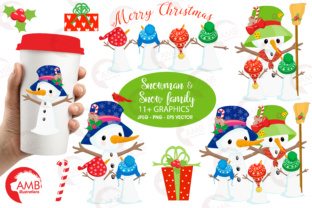
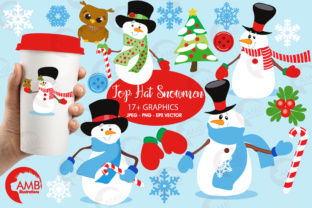
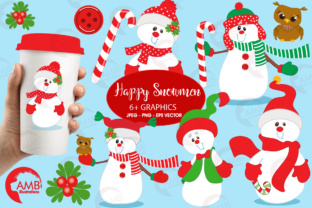
When I opened Snowmen Clipart, I wasn’t greeted with over-the-top whimsy or cluttered detail—I got three distinct, well-proportioned snowmen, each with subtle personality: one wearing a scarf, one with a top hat, one holding a broom. The lines are smooth but not overly rigid; the shapes feel friendly without leaning into cartoonish exaggeration. As an embroidery designer who regularly sources illustrations for client work and my own small shop line, this kind of restraint is gold. It means the design won’t fight the stitch—instead, it’ll let the thread, fabric, and craftsmanship shine.
Real Project Test: A Holiday Tote Bag for My Local Boutique
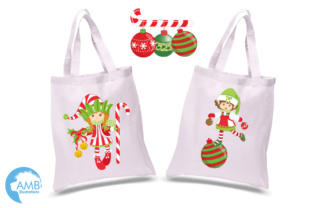
Last week, I used Snowmen Clipart to embroider a set of 12 cotton canvas tote bags for a holiday pop-up at a neighborhood boutique. These weren’t quick samples—they were finished products, priced at $42, sold alongside handmade ornaments and ceramic mugs. So the stakes were real: no do-overs, no “good enough” stitching. I chose the medium-sized snowman (centered, 3.8" wide), paired it with a simple running-stitch border, and stitched it on natural canvas using matte polyester thread.
The result? Crisp edges, balanced negative space, and zero puckering—even without heavy cutaway stabilizer. Customers responded immediately: “It’s cheerful but not cutesy,” one said. “Feels like something you’d keep year after year.” That’s the quiet power of Snowmen Clipart: it lands as timeless, not trendy.
Where It Shines—and Where It Needs Thought
Snowmen Clipart performs exceptionally well on:
- Custom apparel: Sweatshirts, crewneck tees, and fleece jackets—its clean silhouette reads clearly even at 4–5" wide.
- Baby embroidery: On organic cotton onesies or swaddle blankets, the gentle curves and open shapes avoid dense fill-stitch traps that can stiffen delicate fabrics.
- Embroidered patches: Its self-contained composition makes it ideal for iron-on or sew-on patches—no awkward cropping needed.
- Holiday gifts & nursery decor: Paired with neutral linens or minimalist wood frames, it adds warmth without visual noise.
- Etsy listings & printable mockups: As an Illustrations asset, it scales cleanly for digital previews—no pixelation, no jagged edges in PNG or vector exports.
But—and this is where experience matters—it needs thoughtful handling on:
- Textured or napped fabrics (like terry cloth towels or sherpa-lined caps): The fine details in the snowman’s buttons or scarf fringe may blur unless stitch density is adjusted.
- Stretchy knits: Always pair with light tear-away + cutaway combo stabilizer. Running stitches hold better than satin stitch here.
- Dark fabric backgrounds: Test thread color contrast early. Light gray or ecru thread reads softer than stark white—and feels more artisanal.
- Curved surfaces (like baseball caps): Avoid placing the tallest snowman near the crown seam—its vertical balance shifts visually when wrapped.
What It Does for Your Brand—and Your Buyers
As a craft business owner, I don’t just ask, “Will this stitch?” I ask, “Will this make someone pause, smile, and reach for their wallet?” Snowmen Clipart delivers on both. Its simplicity supports brand consistency—whether you’re selling embroidered tea towels under a farmhouse aesthetic or modern baby gear with Scandinavian minimalism. It doesn’t scream “holiday,” so it works in November *and* January. That flexibility extends shelf life for your small shop product or Etsy seller inventory.
More importantly, it builds customer trust. When a buyer sees clean, confident stitching—no skipped outlines, no mushy fills, no distorted proportions—they subconsciously associate your work with care and professionalism. That perception lifts perceived value, justifies higher pricing, and encourages repeat orders. I’ve watched customers photograph and tag our snowman totes on Instagram—not because the design is flashy, but because it feels *intentional*.
Practical Embroidery Designer Notes
Before stitching Snowmen Clipart on your next project, here’s what I always do:
- Test on scrap fabric first—especially if using textured or dark material. Note how the fill stitch settles and whether outlines stay sharp.
- Check thread color contrast in natural light *and* under store lighting. A thread that looks warm in daylight may read cool under LED.
- Review stitch density. If your machine tends to pile up in tight corners (like the brim of the top hat), consider slightly reducing density in those zones.
- Confirm hoop size compatibility. This isn’t a 1.5" micro-design—but it also doesn’t need a 7" frame. Most versions sit comfortably in a 4x4 or 5x7 hoop.
- Inspect small details in your embroidery software: Are the scarf stripes defined enough for satin stitch? Do the coal-button eyes have sufficient spacing to avoid merging?
- Test black-and-white mockups before finalizing a listing. If it reads well in monochrome, it’ll translate across thread palettes and fabric colors.
- Use proper stabilizer: Light cutaway for stable wovens; soft tear-away + topping for napped fabrics.
- Verify licensing before selling finished items or bundling Snowmen Clipart into digital embroidery files. Since it’s categorized as Illustrations, confirm whether commercial use is permitted for physical *and* digital resale.
A Design That Earns Its Place
Snowmen Clipart isn’t just another seasonal download. It’s a quietly versatile, stitch-smart illustration that supports real work—custom apparel, personalized gifts, boutique merchandise, and handmade product lines. It respects the craft: no unnecessary complexity, no visual competition with fabric texture or garment shape. Just honest, joyful design that translates beautifully from screen to stitch to shelf. If you’re choosing embroidery assets for your craft business or client portfolio, this one earns its spot—not because it’s loud, but because it’s reliable, refined, and ready to become part of something real.